Pleating Fabric!!

The last 2 weeks have been a very very intense period of settling into my new home. This is home for the next 3 months! I’m just about done settling the modules I’ll be taking here in Bezalel, and I’m excited. There are too many interesting modules, and I’m probably taking too many, but I really just want to learn everything. Too bad I’m not superwoman.

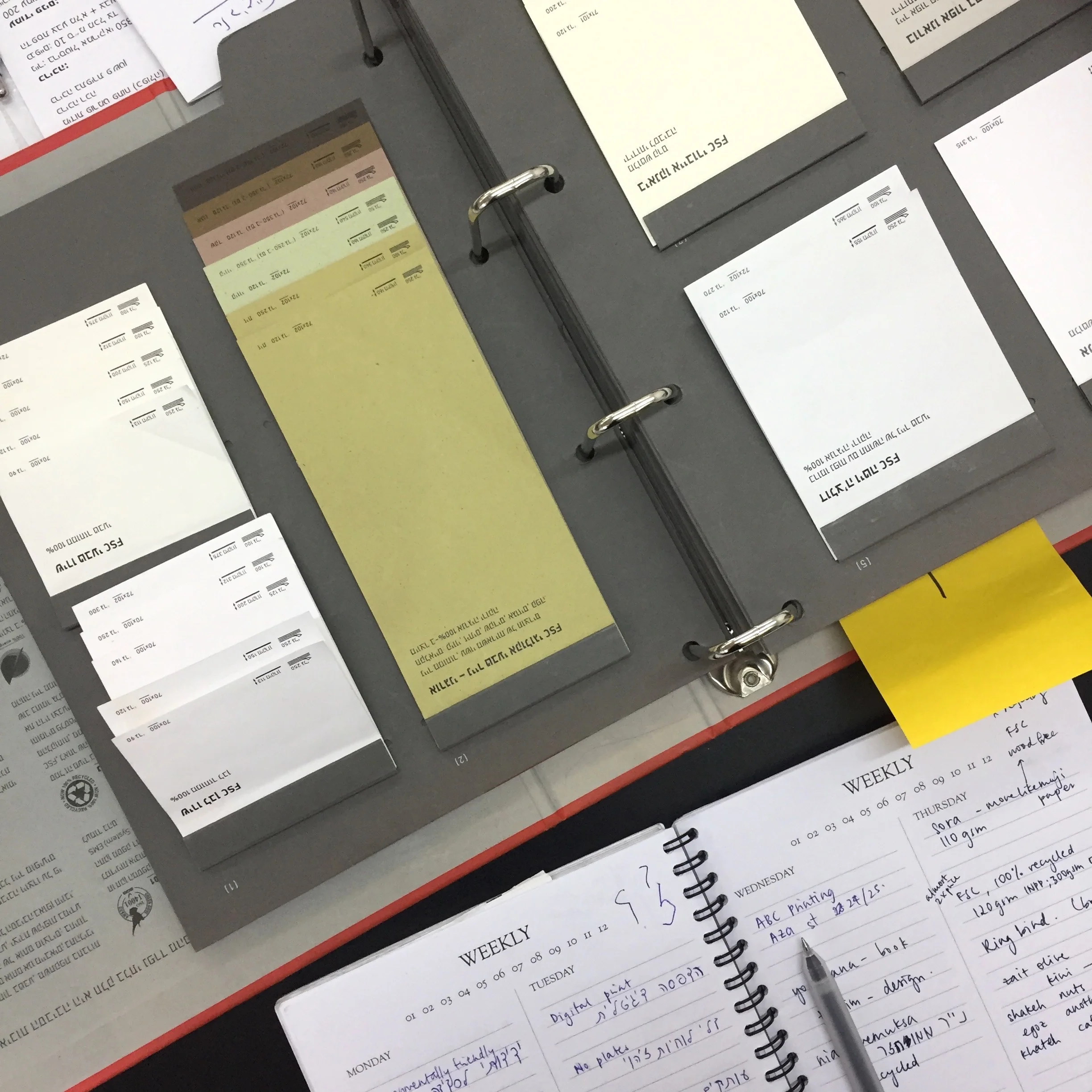
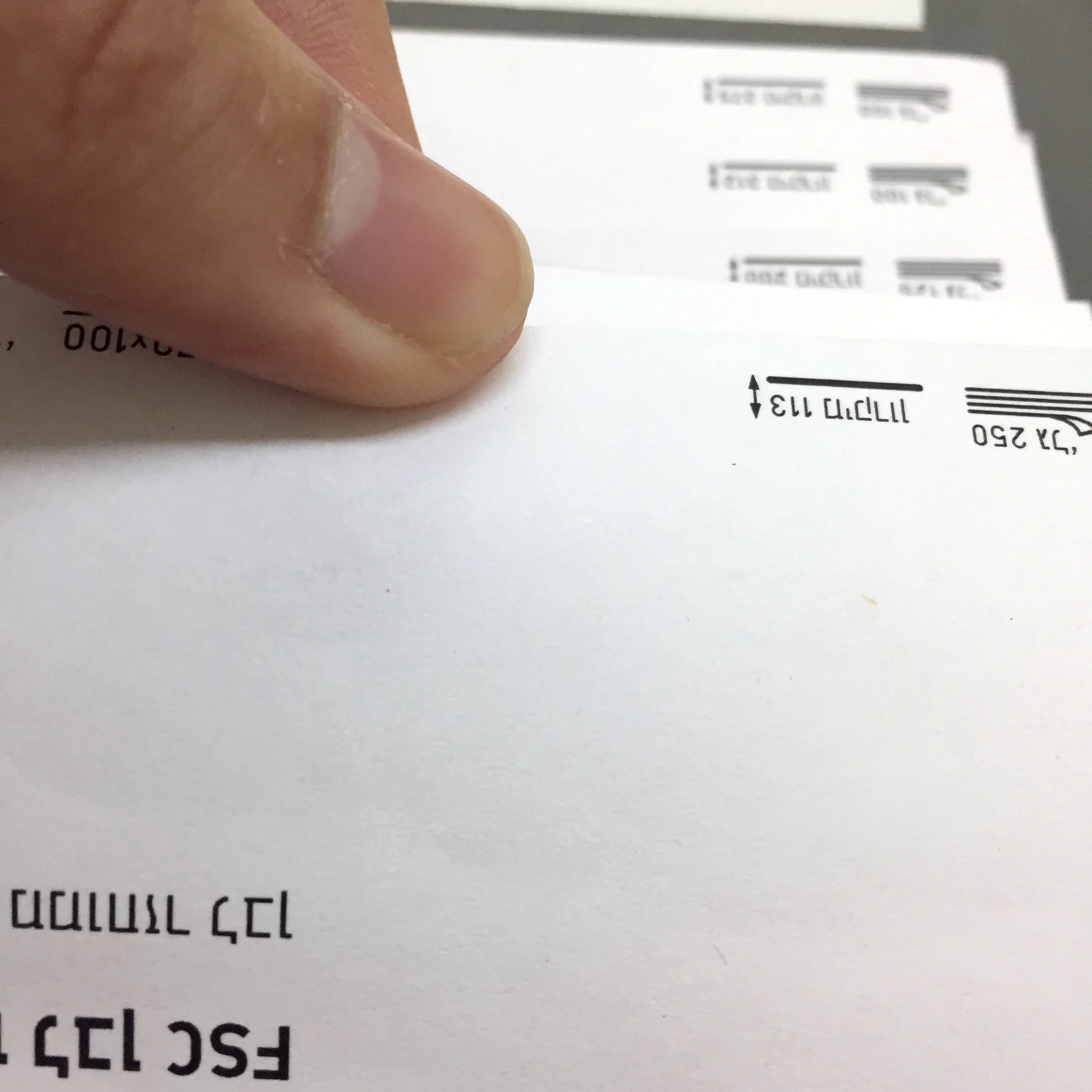
There was a book sale in school this week, and I came across this book that had a page about pleating fabric in Logon l’indéplissable, the atelier that pleated the designs of the first collection Raf Simmons did with Dior.

Ever since watching Dior and I (which is on Netflix btw), I’ve always wanted to try it. But there were details I couldn’t find anywhere on the web. And there it was, in that one page, in that one particular book. I didn’t buy the book in the end - I didn’t budget for books here (and neither did my flight baggage allowance) - but here’s a quick note about what I read.


2 sheets of kraft paperboard sandwich a piece of fabric (the fabric you want to pleat). These ‘sandwiches’ are either rolled around a metal cylinder, or pressed, depending on the design. Then, a protective layer of kraft paper is wrapped around it, and placed in a steamer.

Here’s the juicy bit - temperatures and times.

For tulle and chiffon -
85 degrees C; 20 minutes

For woollens -
95 degrees C; 50 minutes

For polyester -
105 degrees C; 50 minutes

When done and taken out of the steamer, the outer protective kraft paperboard is carefully removed. The rest is left to dry for about 24 hours, before being opened and inspected.

Here’s a video of the process over at Logon l’indéplissable, so you have a better idea of what’s going on.

Now, to just figure out how to fold the paper!

Glue and Colour in Silicone

When we shared our top 5 tips to work with silicone, we actually had 7 instead of 5 points. But it was too much to talk about in a post, so today, we’re going to share the 2 things kids care about most when making things - glue and colour.

Colour

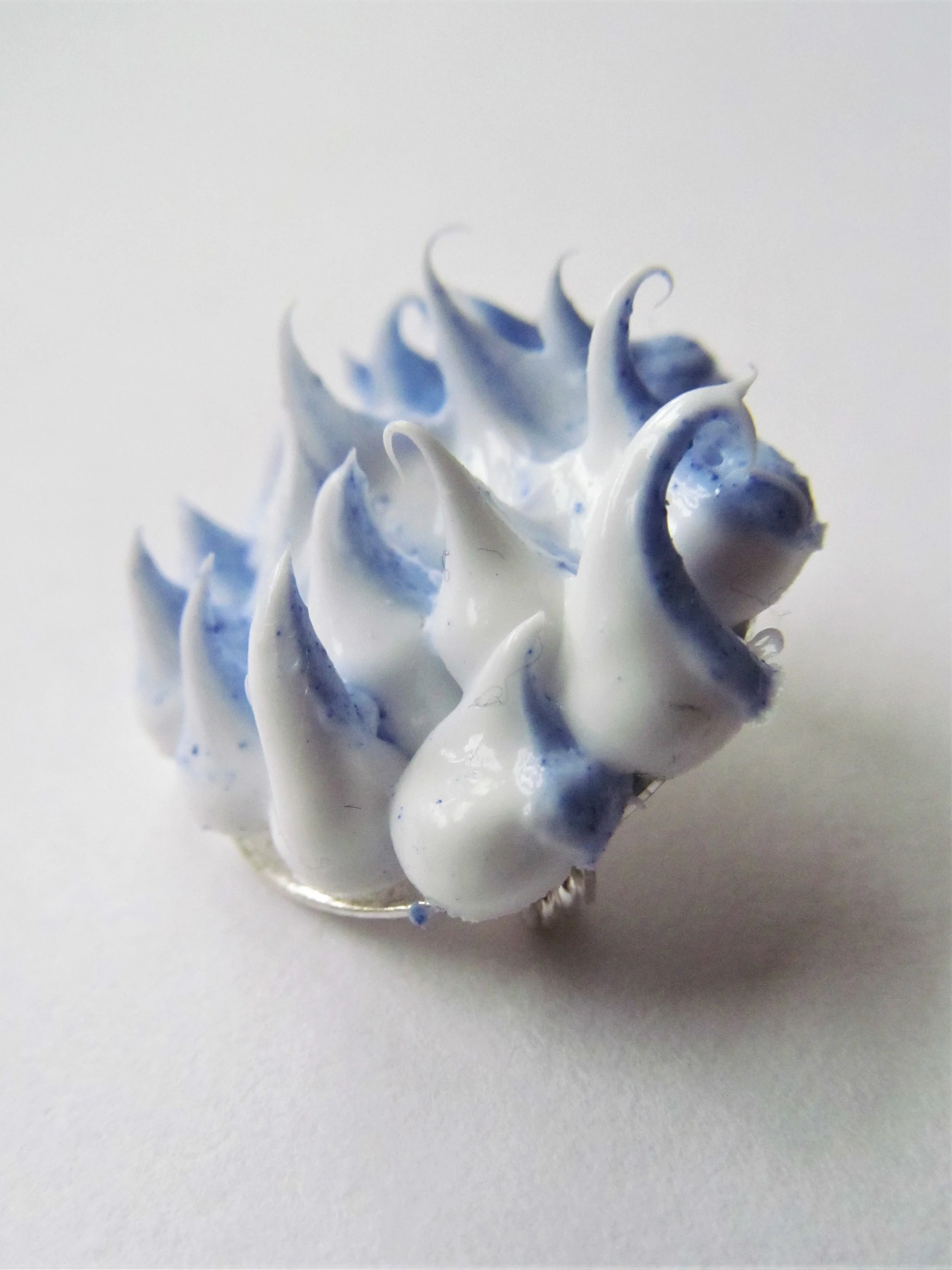
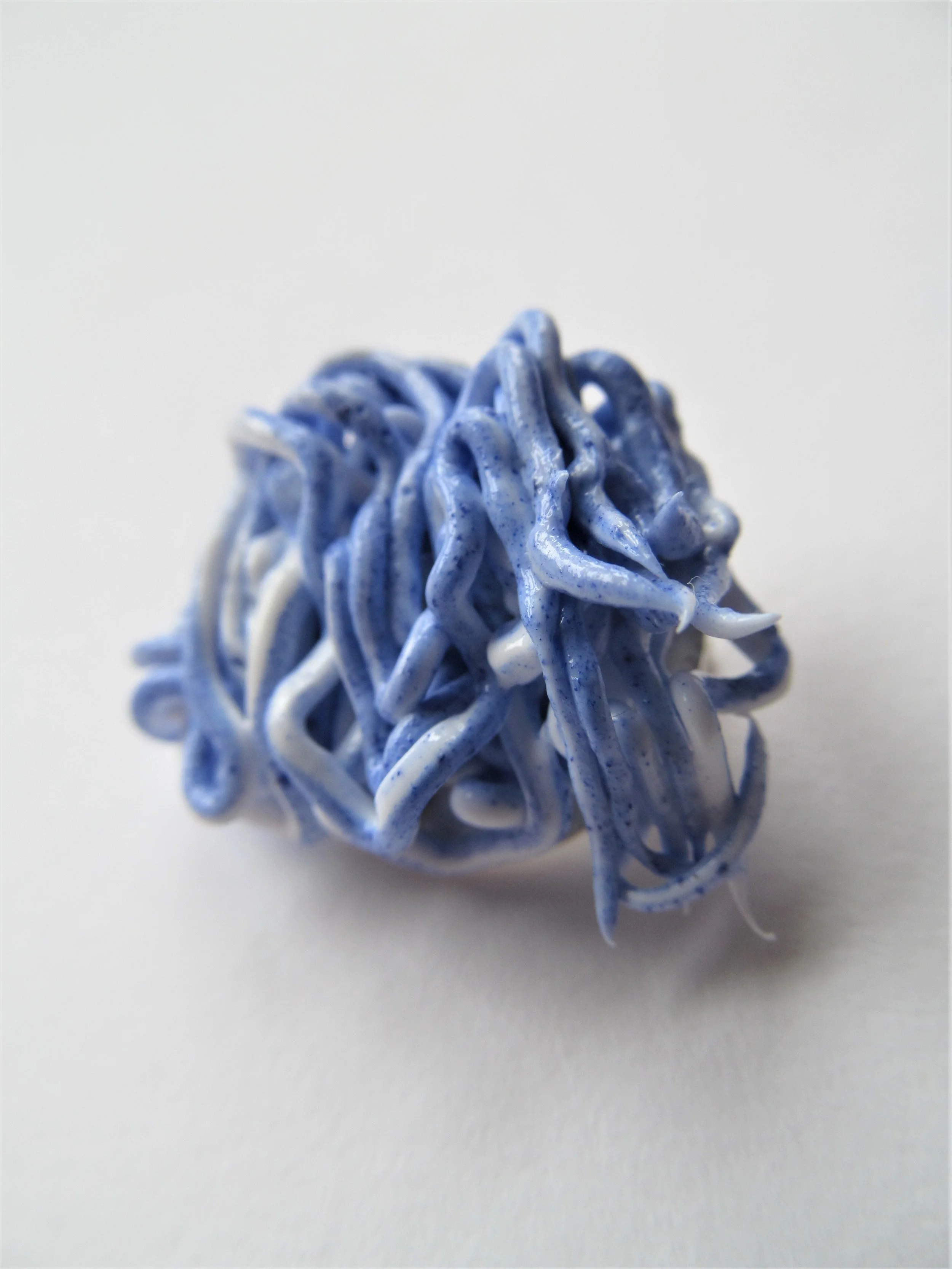
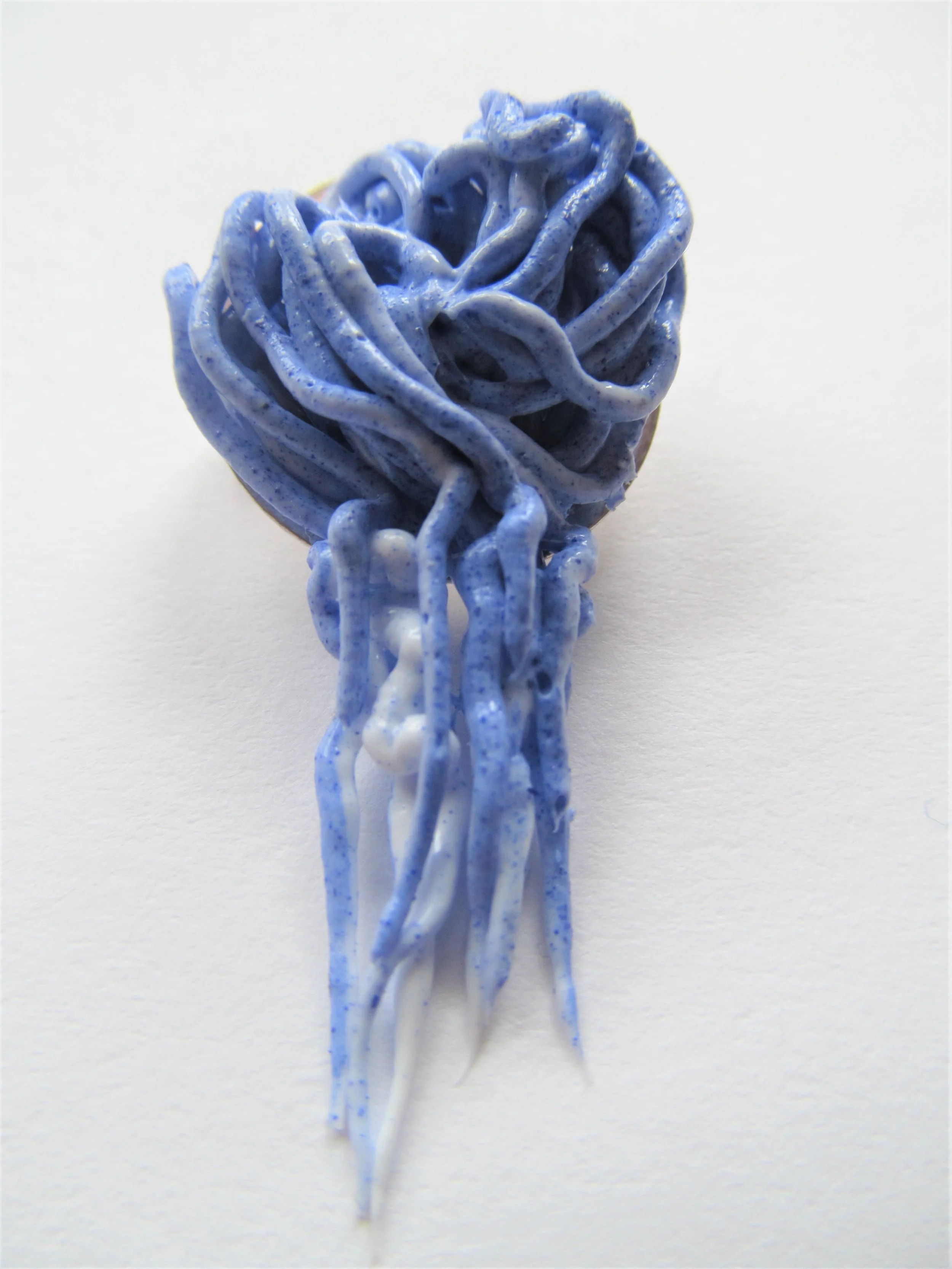
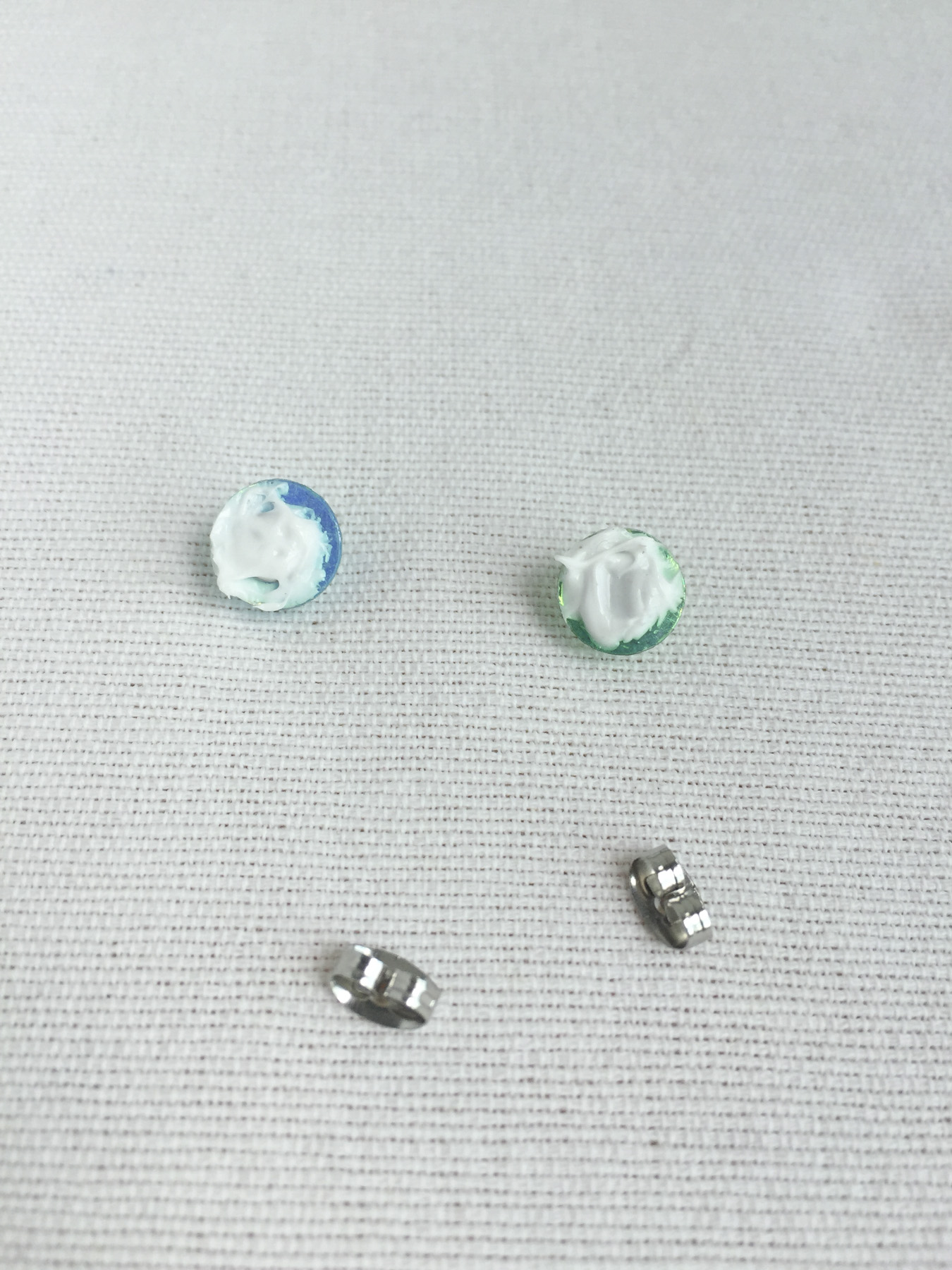
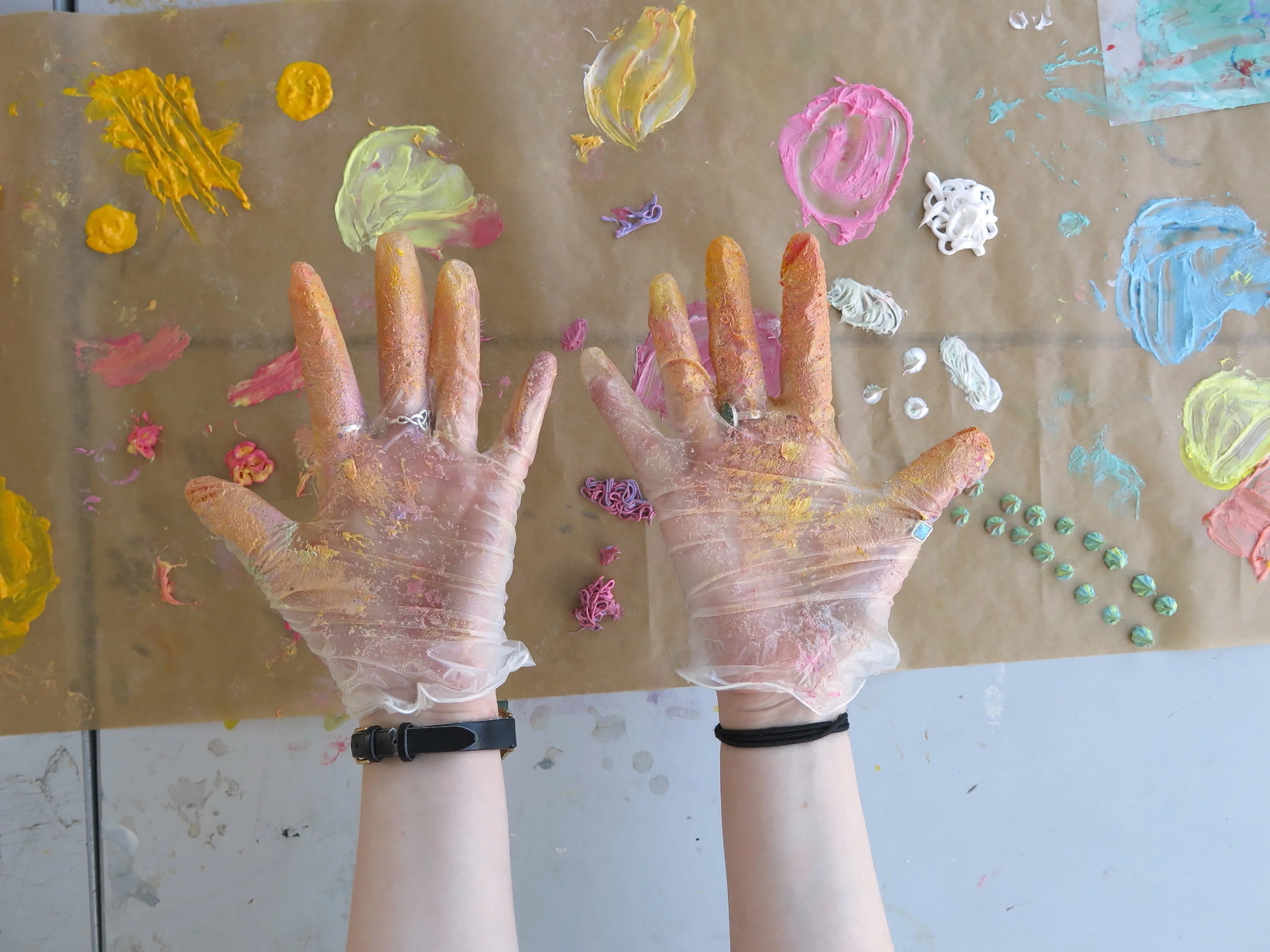
There are probably other ways to colour silicone, but this was how Emma and I did ours. We mix paint to silicone in a 1:3 ratio. They will get pastel-ly but they all get coloured, while still keeping its silicone properties. The more paint you add, the stickier and less bouncy it gets. And it will get to a point where it’s too tacky and gunky to be removed from the baking paper.

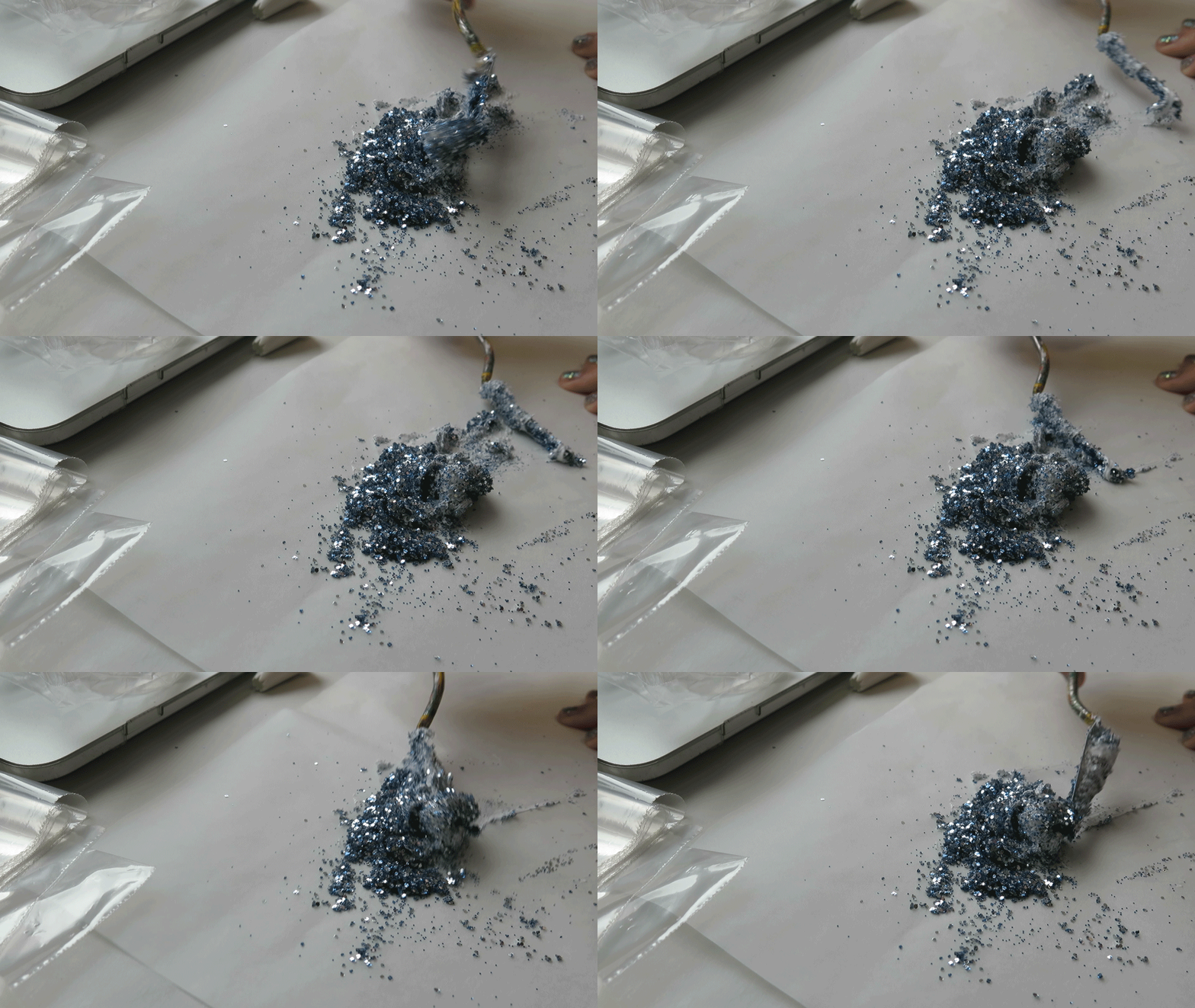
We used our fingers to mix when making the samples, but I tried using a palette knife after that, and it worked out so much better. It was less messy, and there is a lot less wasted material because the palette knife will scrape up everything.

palette knife gif silicone collaboration with emma morris

Glue

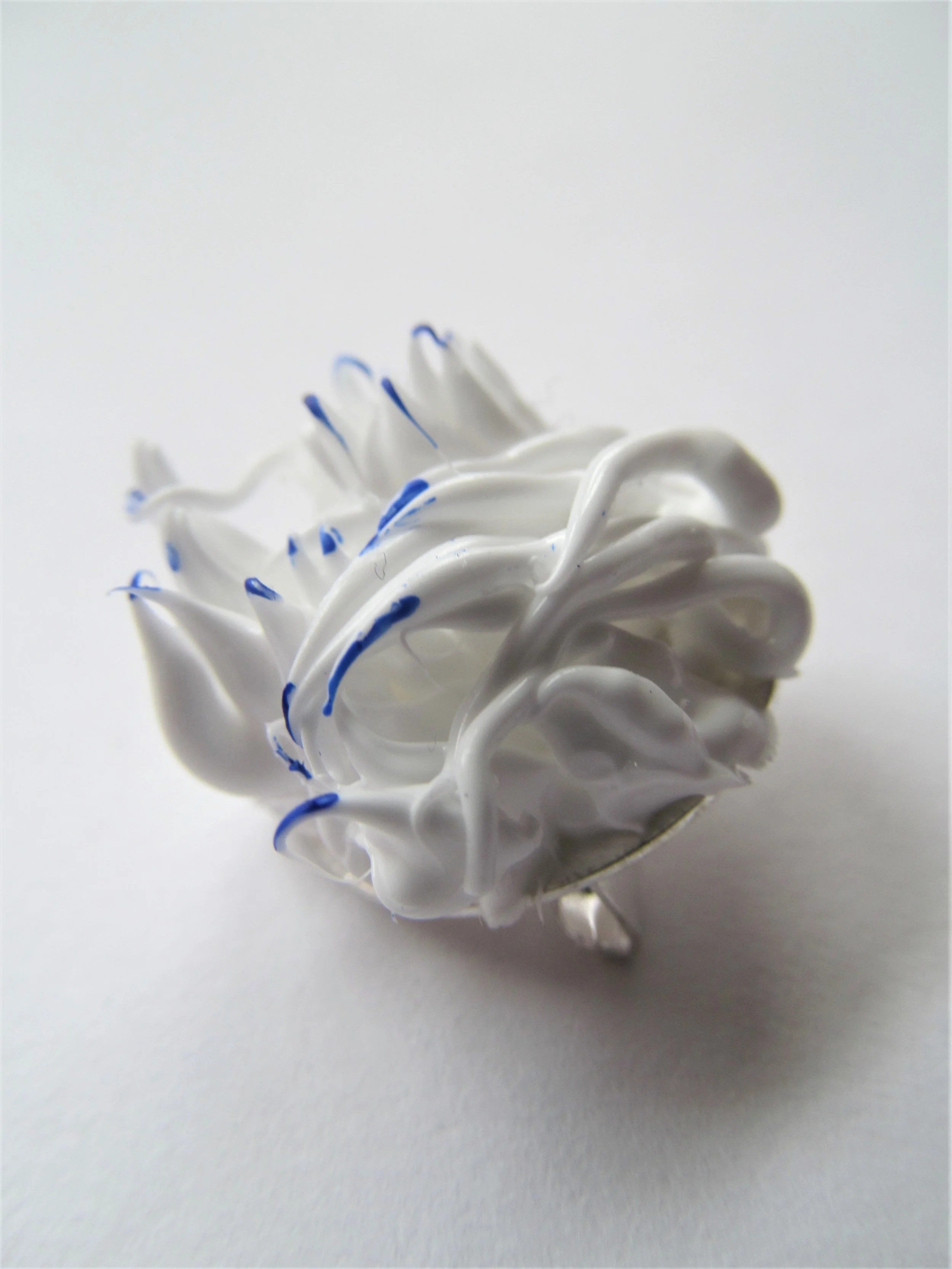
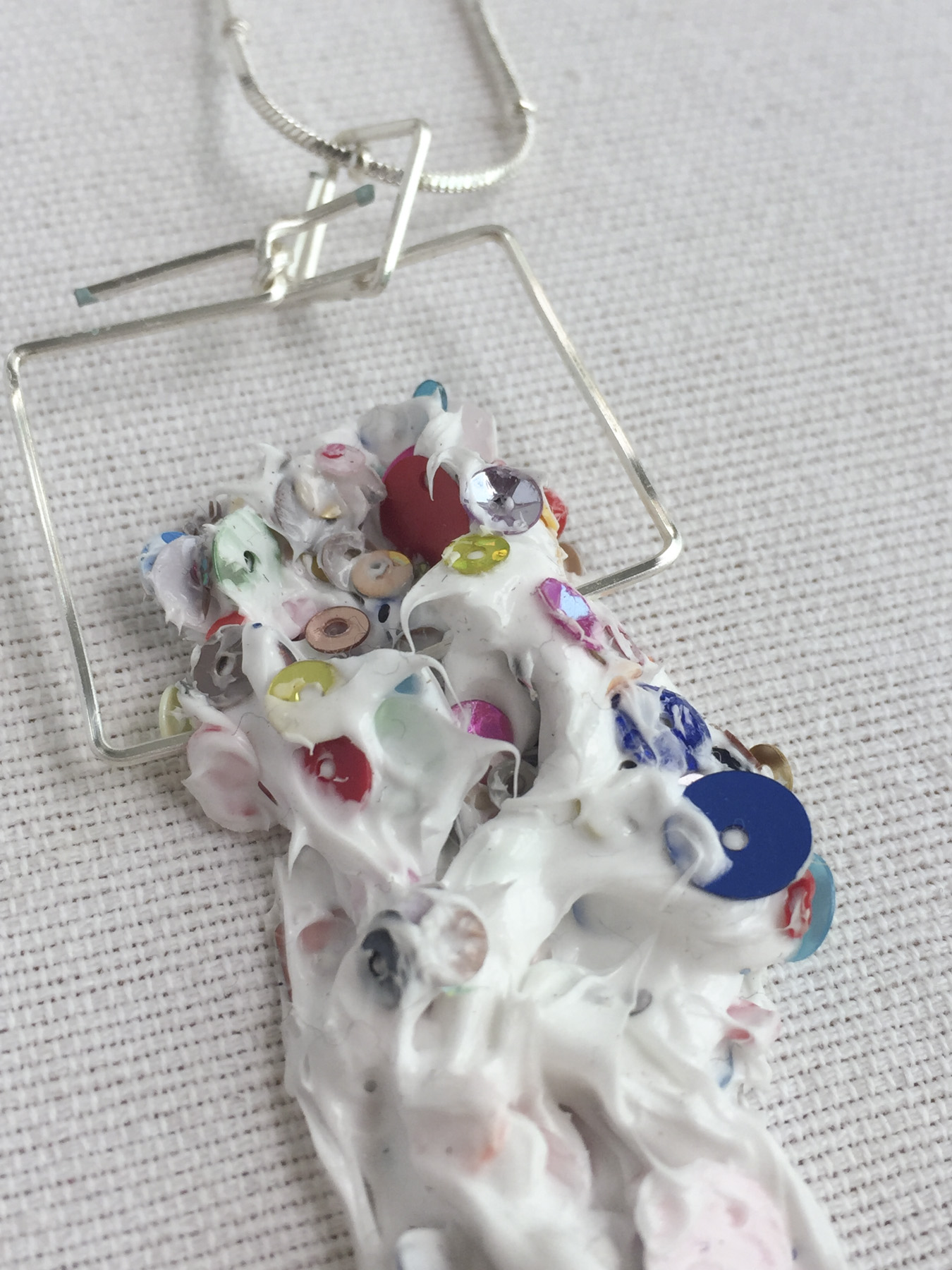
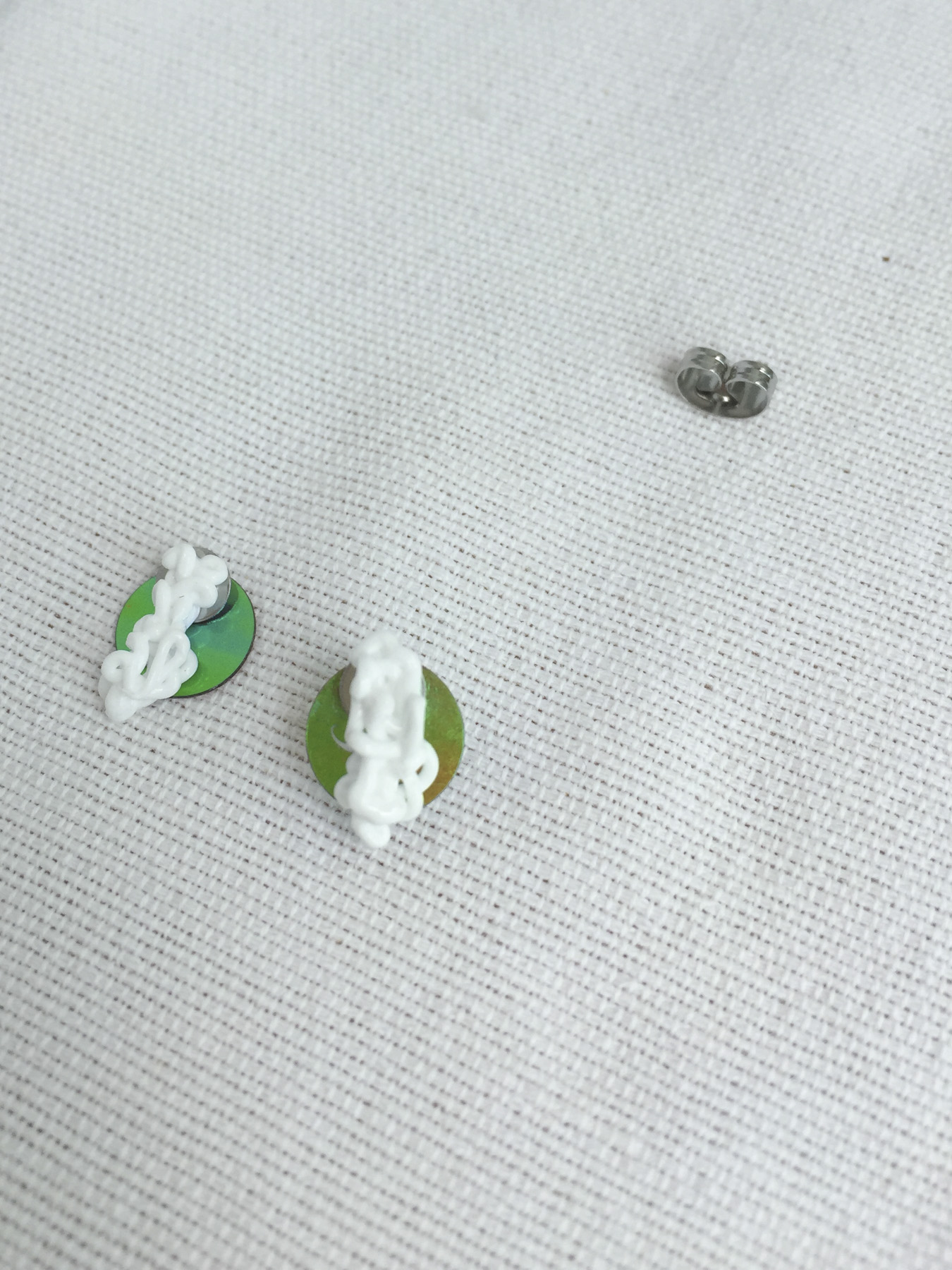
Silicone sticks to silicone, but not so much with any other plastics or metal. It’s not like they’ll slide off, but it generally won’t hold together as well. But because silicone sticks to silicone, you could sandwich materials that don’t stick in between layers of silicone stuck together by even more silicone!
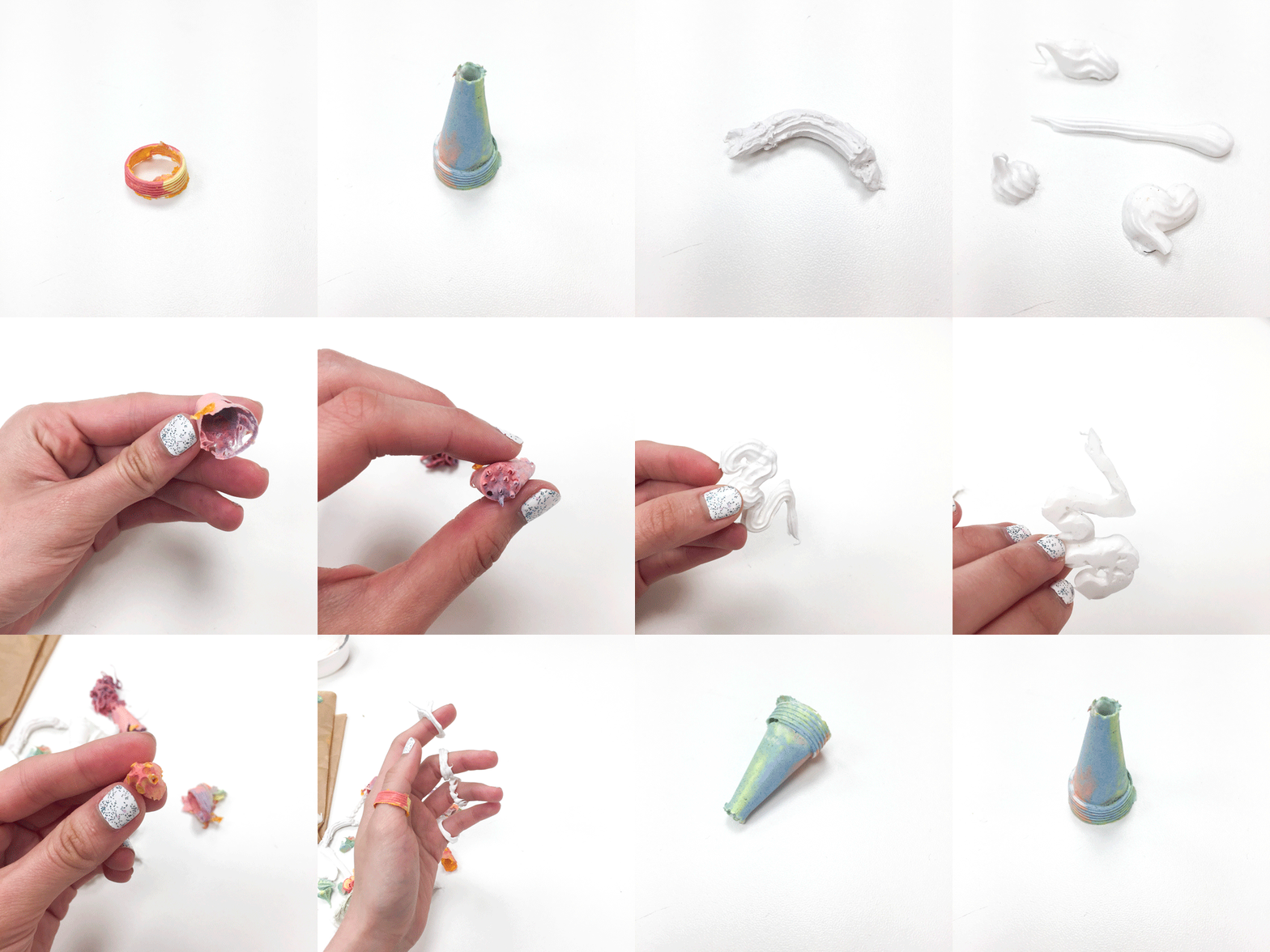
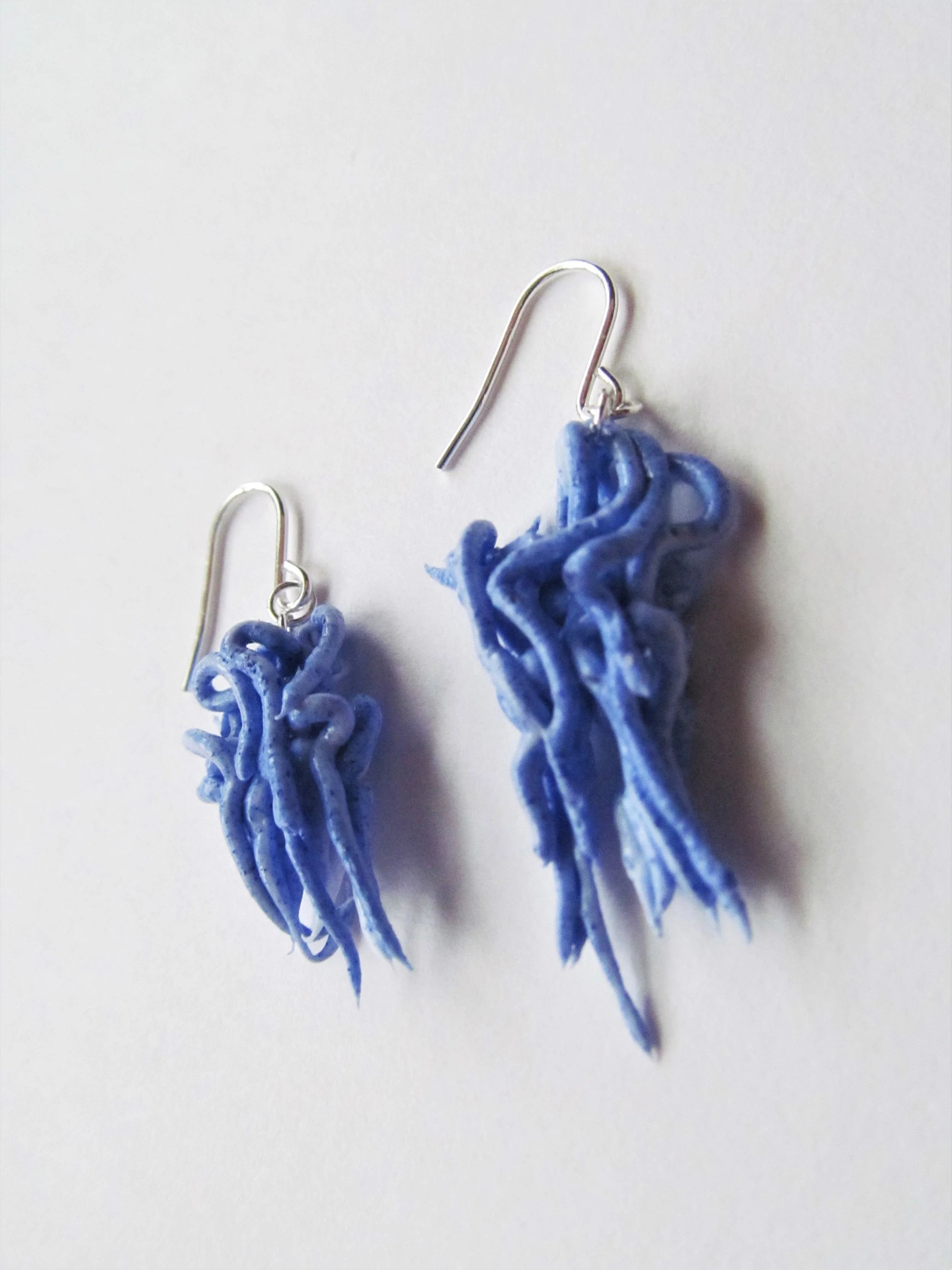
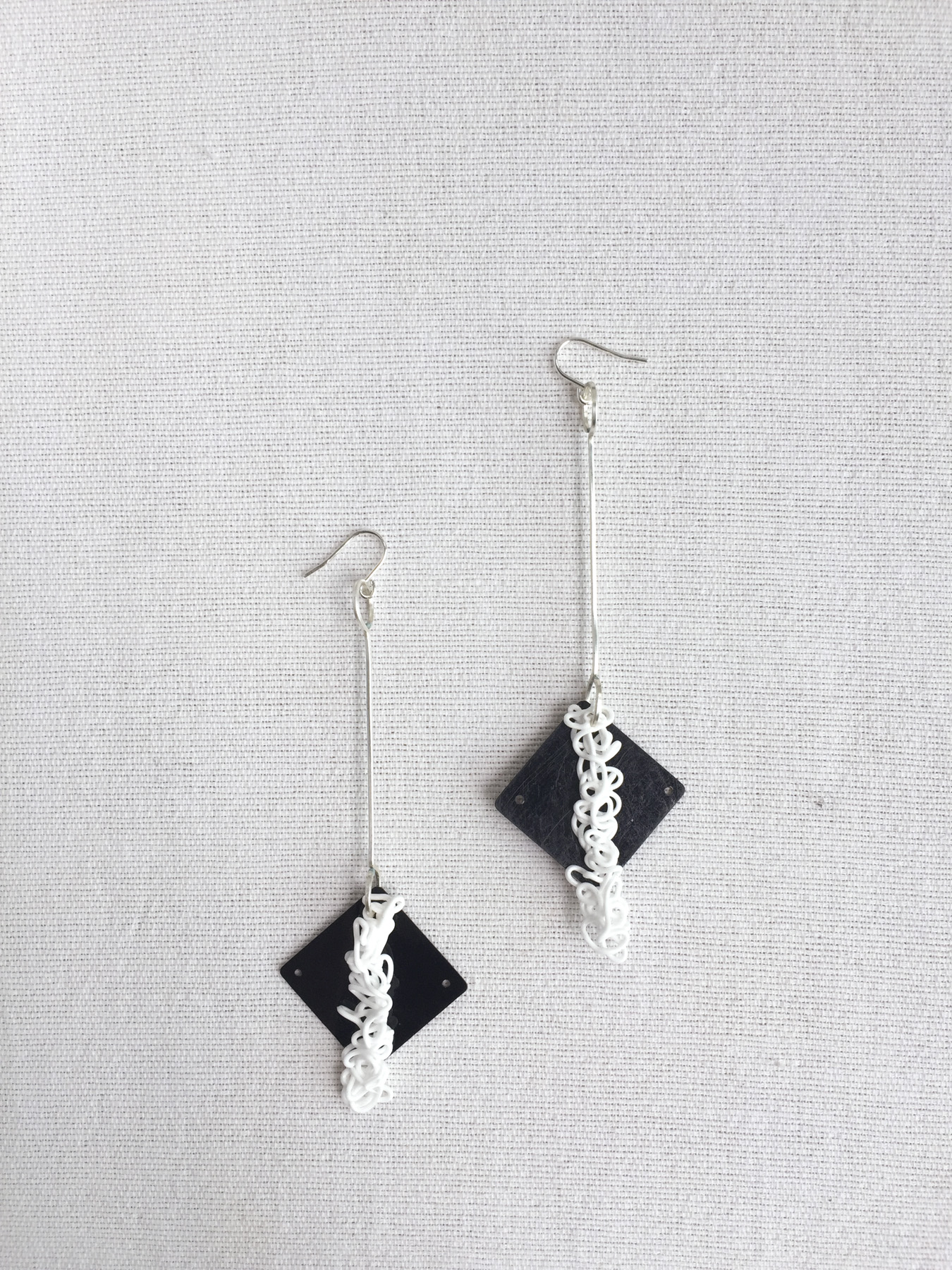
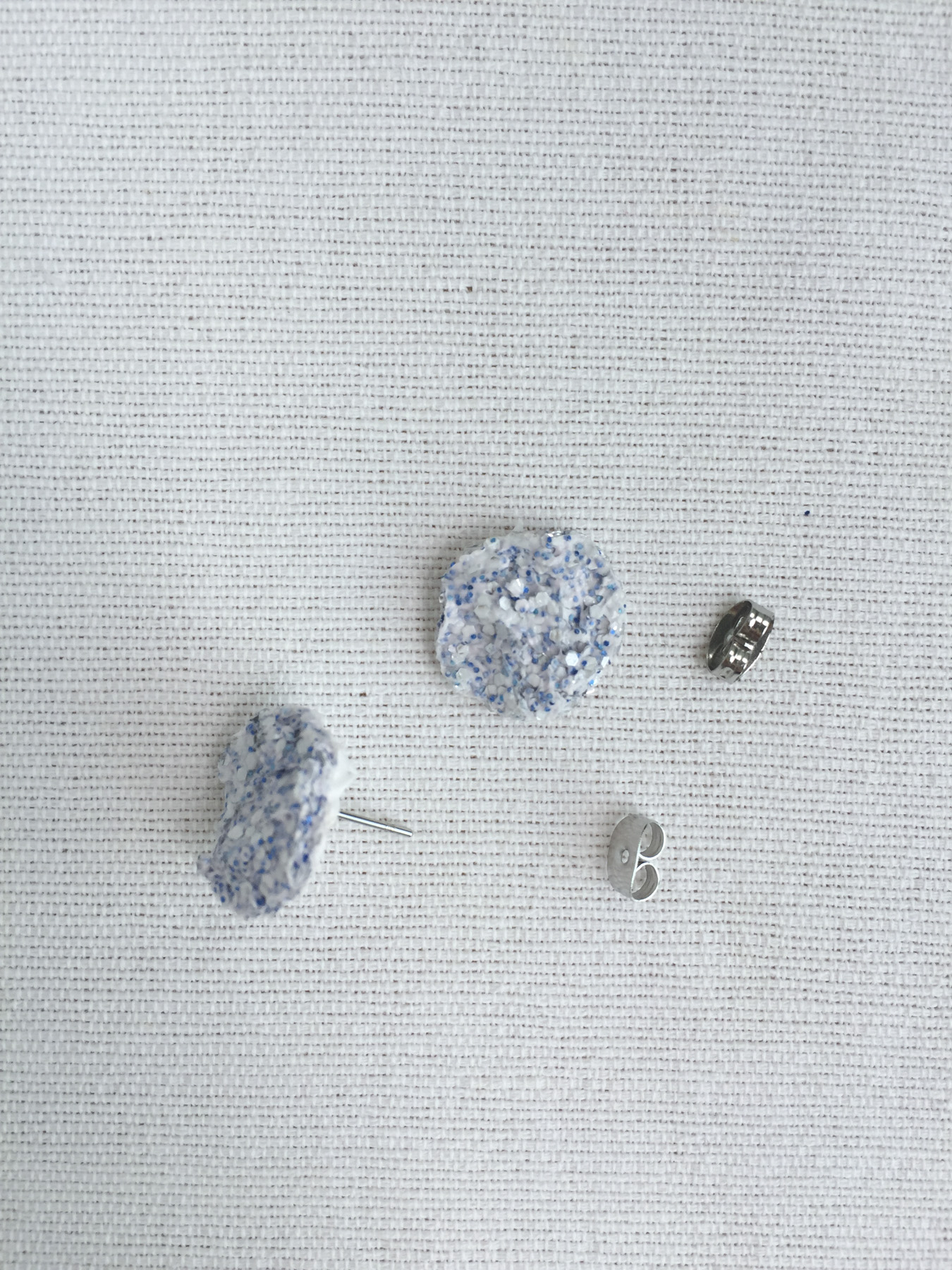
This is how these earrings were made.

material collaboration with emma morris silicone glue earring process
Emma's Pinterest Board
Abigail's Pinterest Board
a material collaboration with emma morris silicone
view final collection
shop our pieces!

A few words from Emma:

My name is Emma Morris and I am a jewellery design student based in Glasgow. My love for making things started me along my path to becoming a jewellery designer. In my spare time, I like to bring my ideas to life to share with people. I inject colour and fun into my work, and am constantly coming up with new designs!

Shop Etsy

FINAL COLLECTION - A Material Collaboration with Emma Morris: Silicone

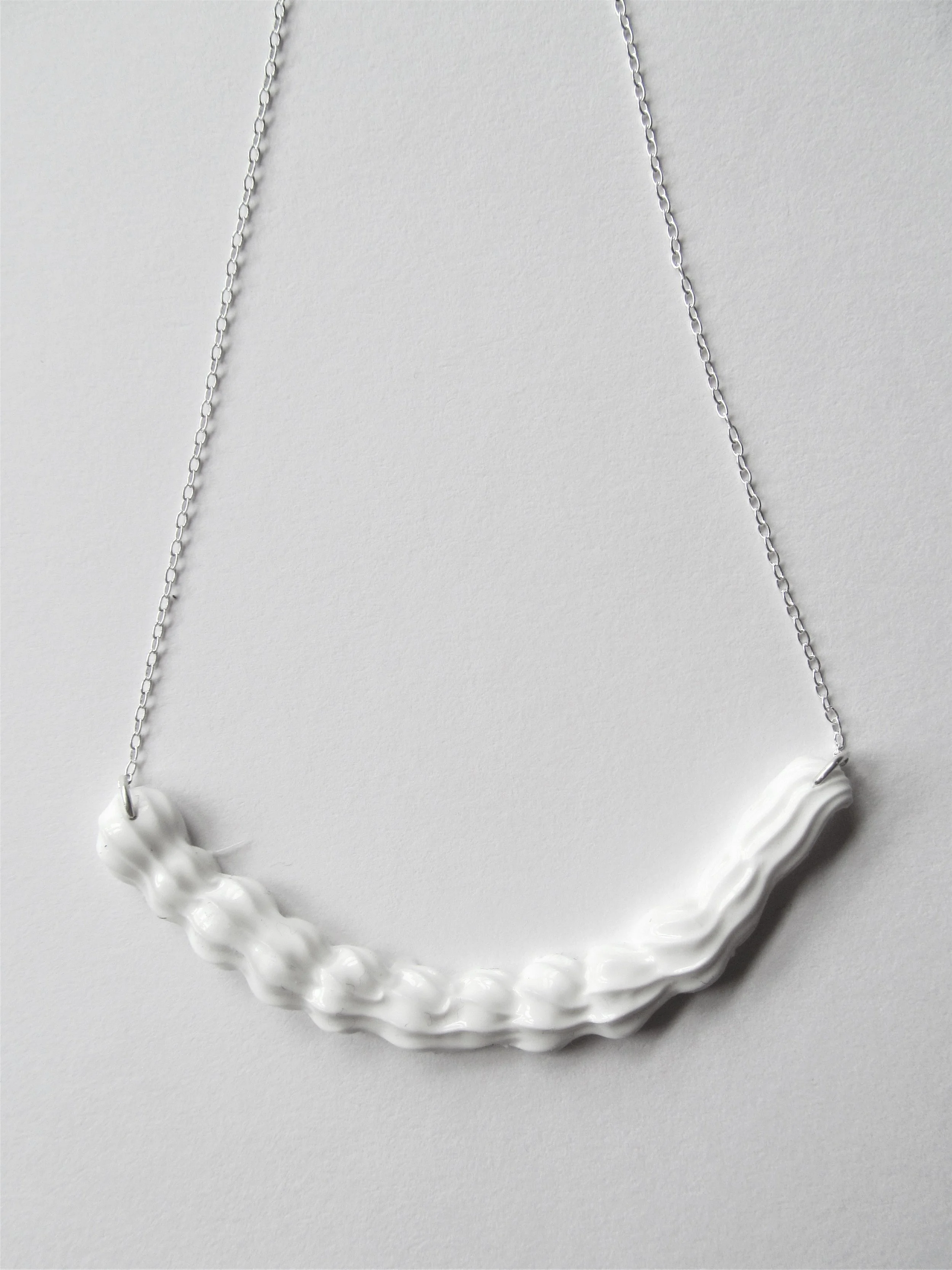
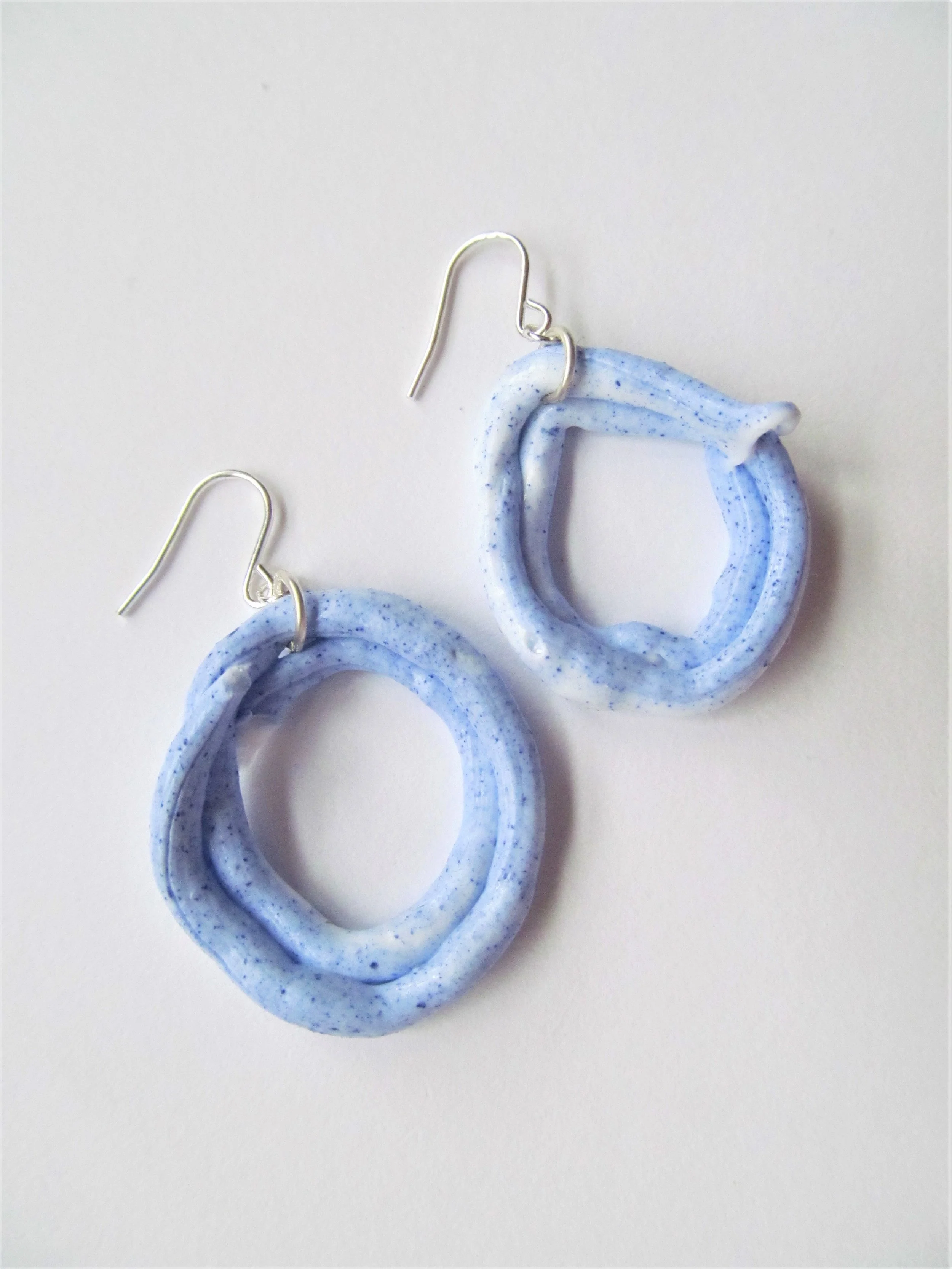
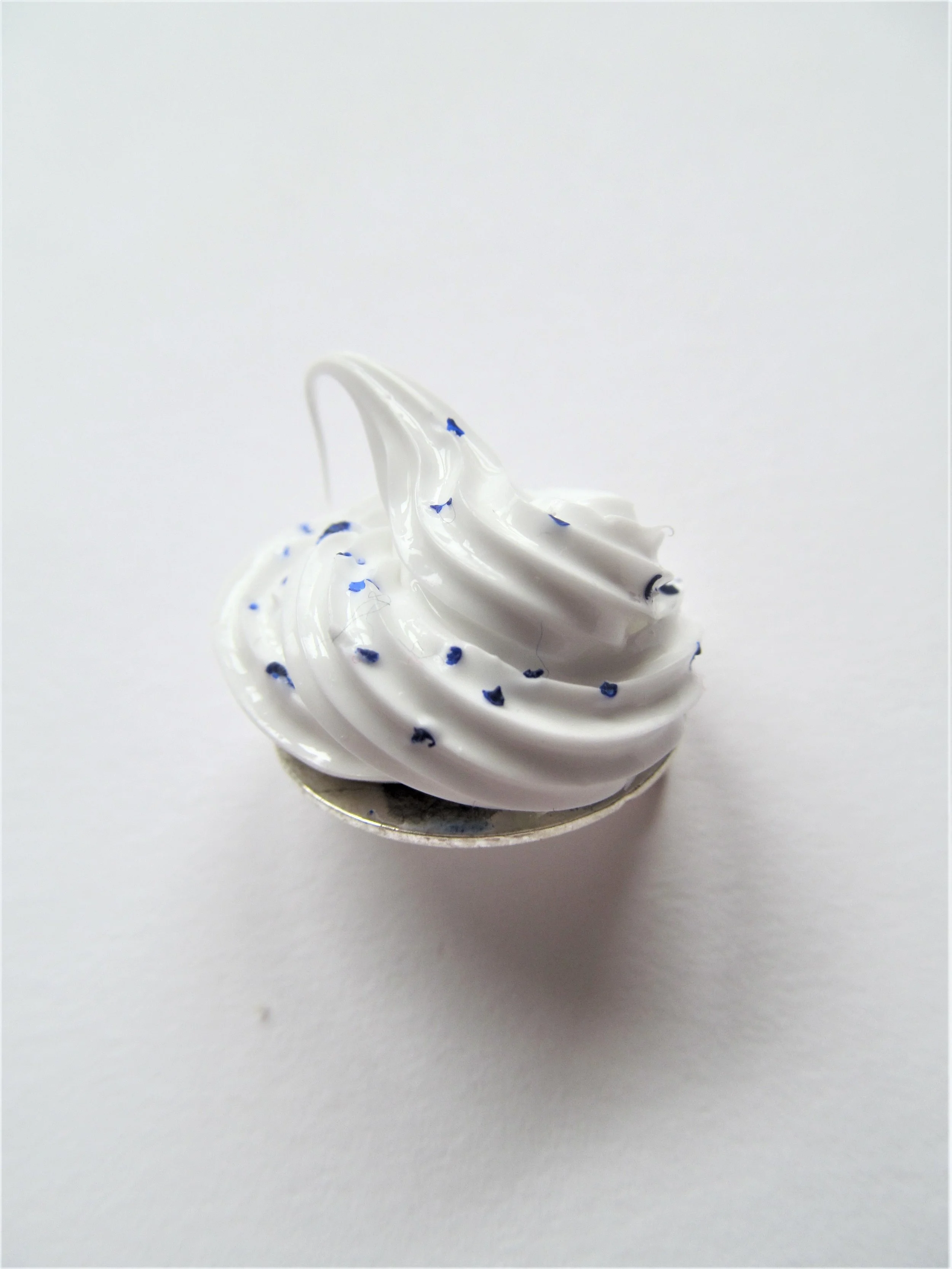
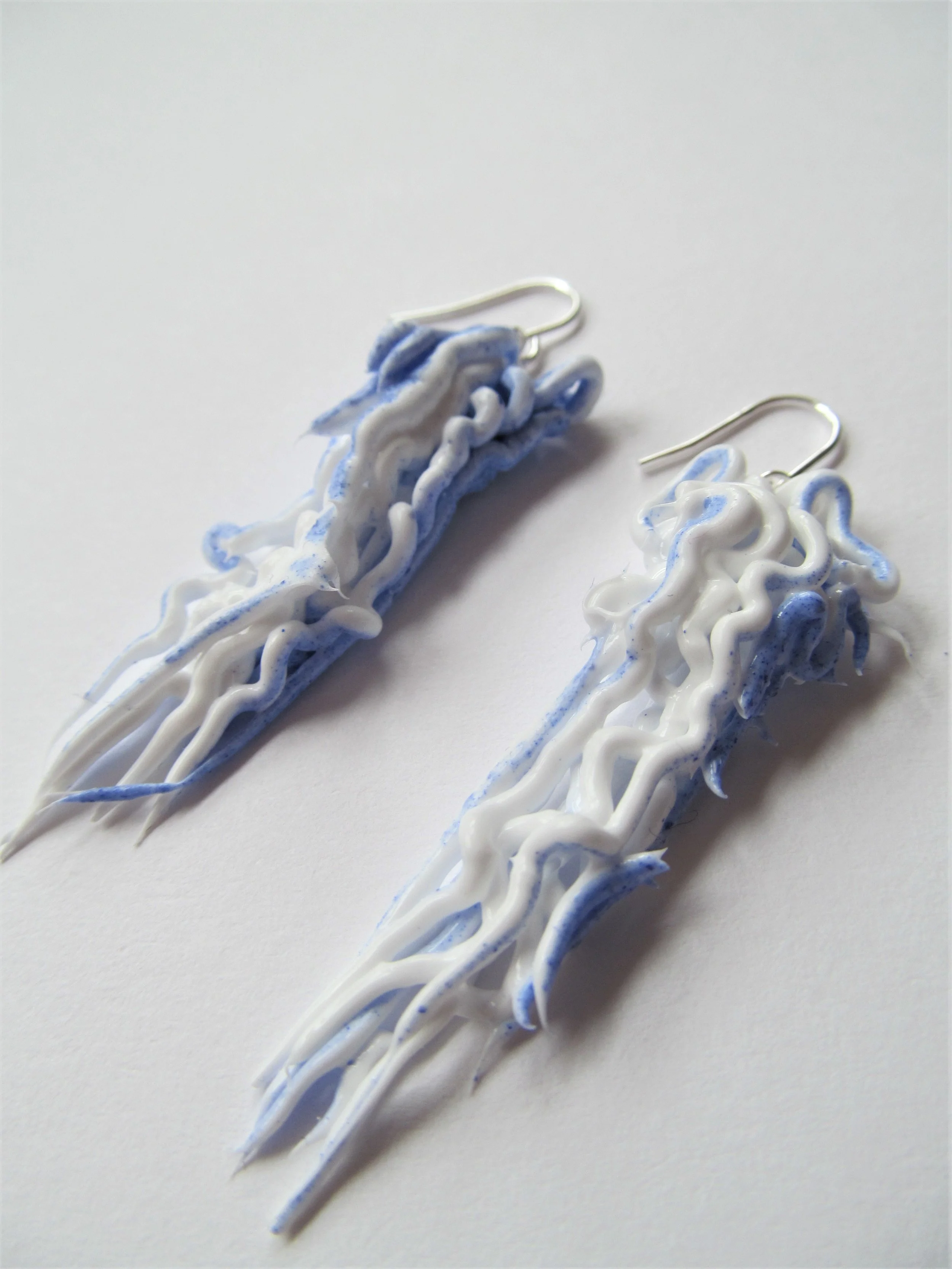
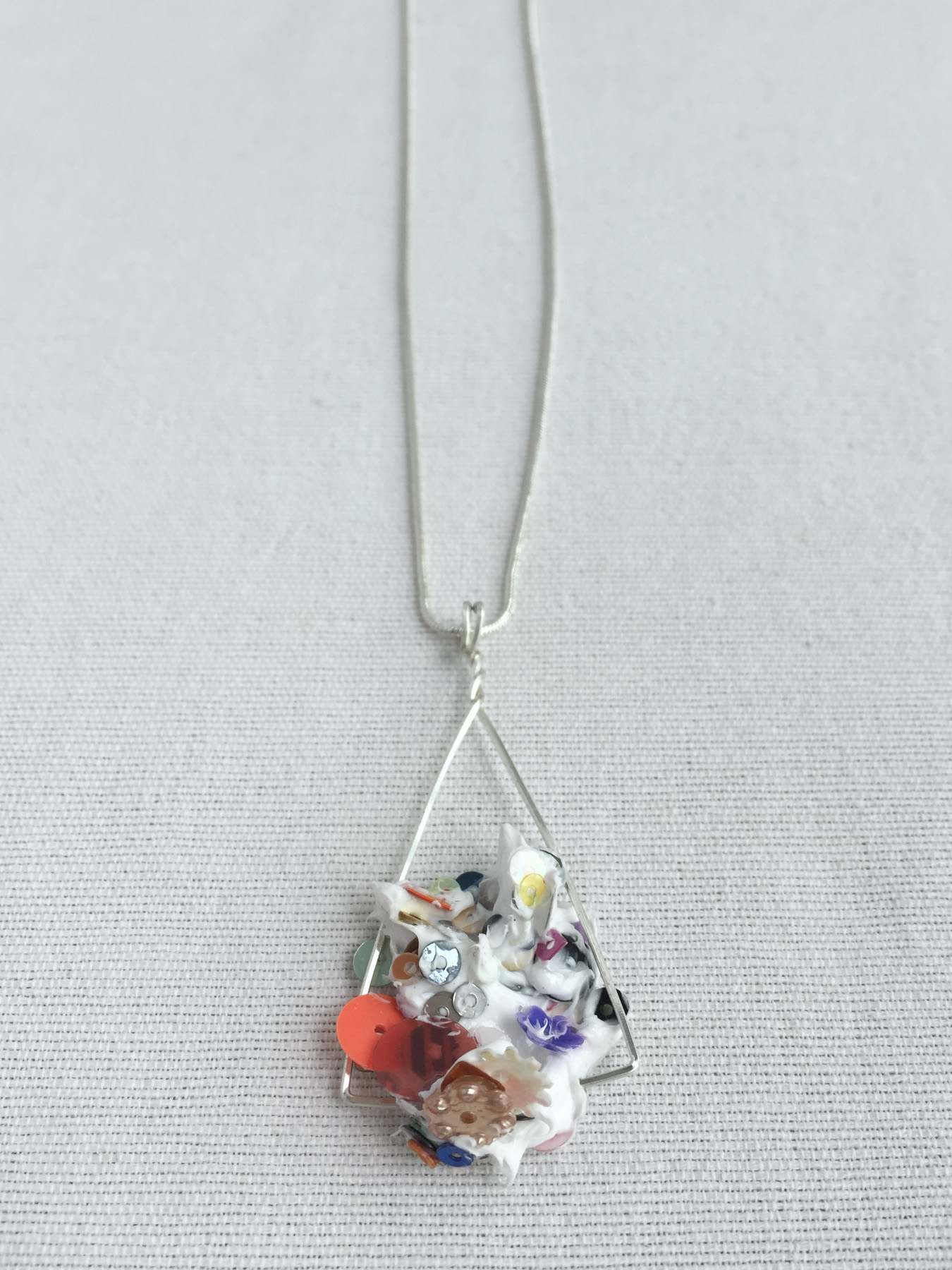
Emma and I recently completed a material collaboration on silicone that you can read about here: an introduction. We also talked about our top 5 tips to effectively work with silicone. Here are the results of our little adventure.

Emma's Pinterest Board
Abigail's Pinterest Board
a material collaboration with emma morris silicone
shop our pieces!

A few words from Emma:

My name is Emma Morris and I am a jewellery design student based in Glasgow. My love for making things started me along my path to becoming a jewellery designer. In my spare time, I like to bring my ideas to life to share with people. I inject colour and fun into my work, and am constantly coming up with new designs!

Shop Etsy

A Material Collaboration with Emma Morris: Silicone

Emma and I are desk buddies in the workshop. She makes amazing things, and we thrive off each other’s ideas and feedback and work. Just before summer break started, we decided to do a mini collaboration.

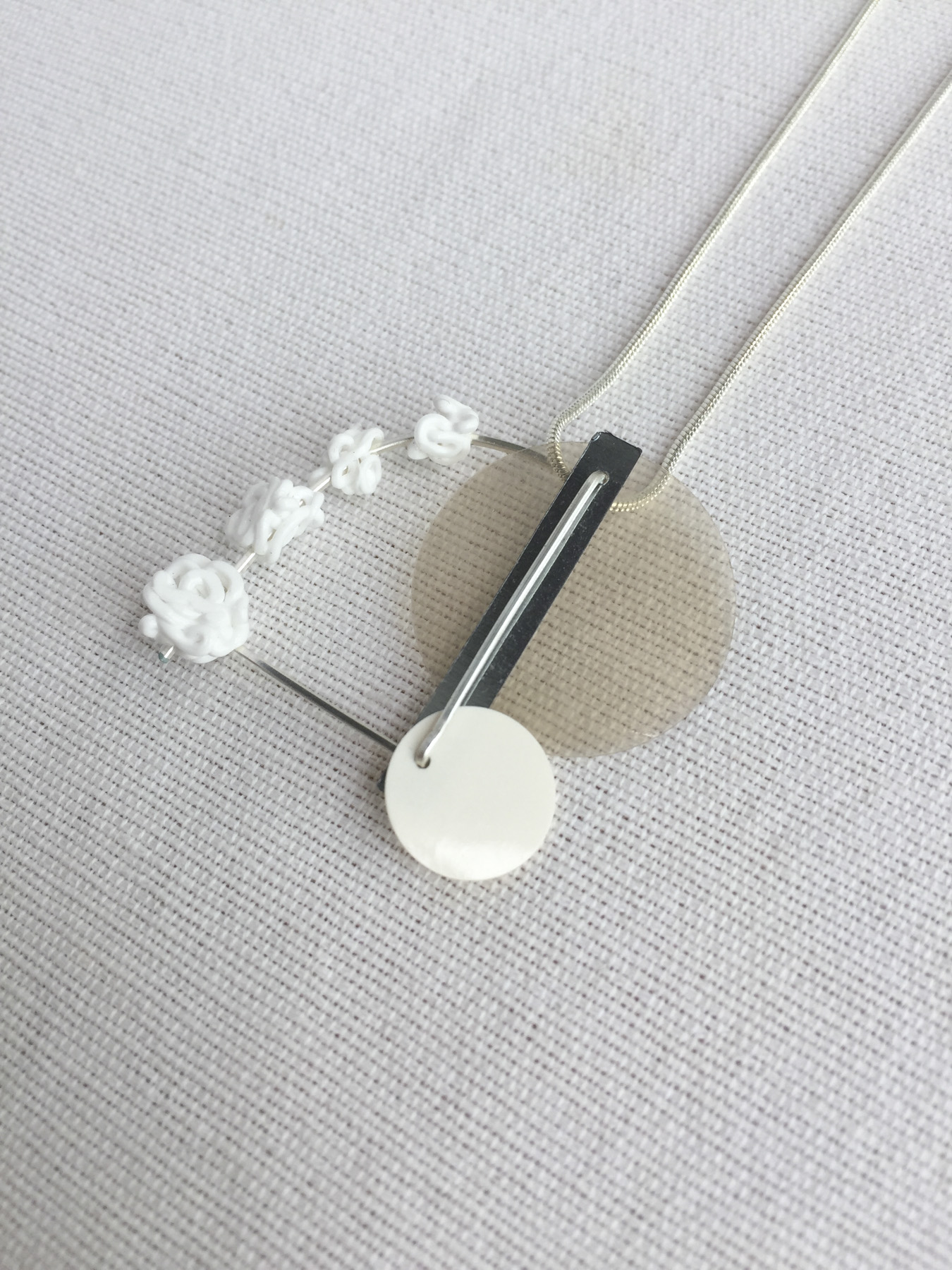
We would come together and make some samples, and then go off to make a collection of 10 wearable pieces using the material. In this case, we chose silicone. God knows what we were thinking when we agreed on silicone but it’s been a really interesting experience to say the least.

We can make more than 10 items, but we have to narrow it down to 10 for the purpose of being concise. We won’t discuss which samples we’re working off, or what ideas we’re brewing or if there’s another material we’re adding to it. The deadline for this is mid-August 2017. But we’ll probably only share our results the next month.

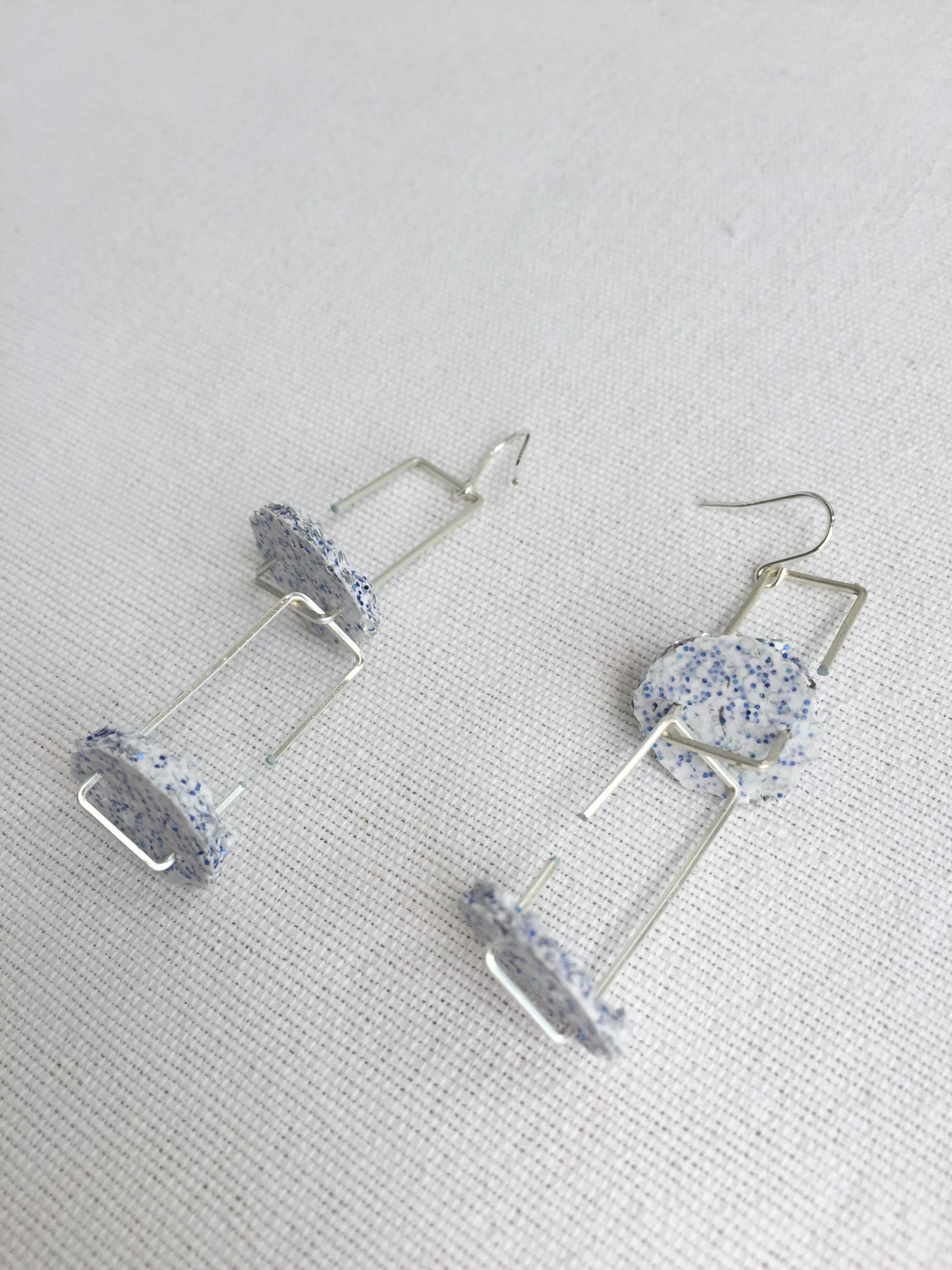
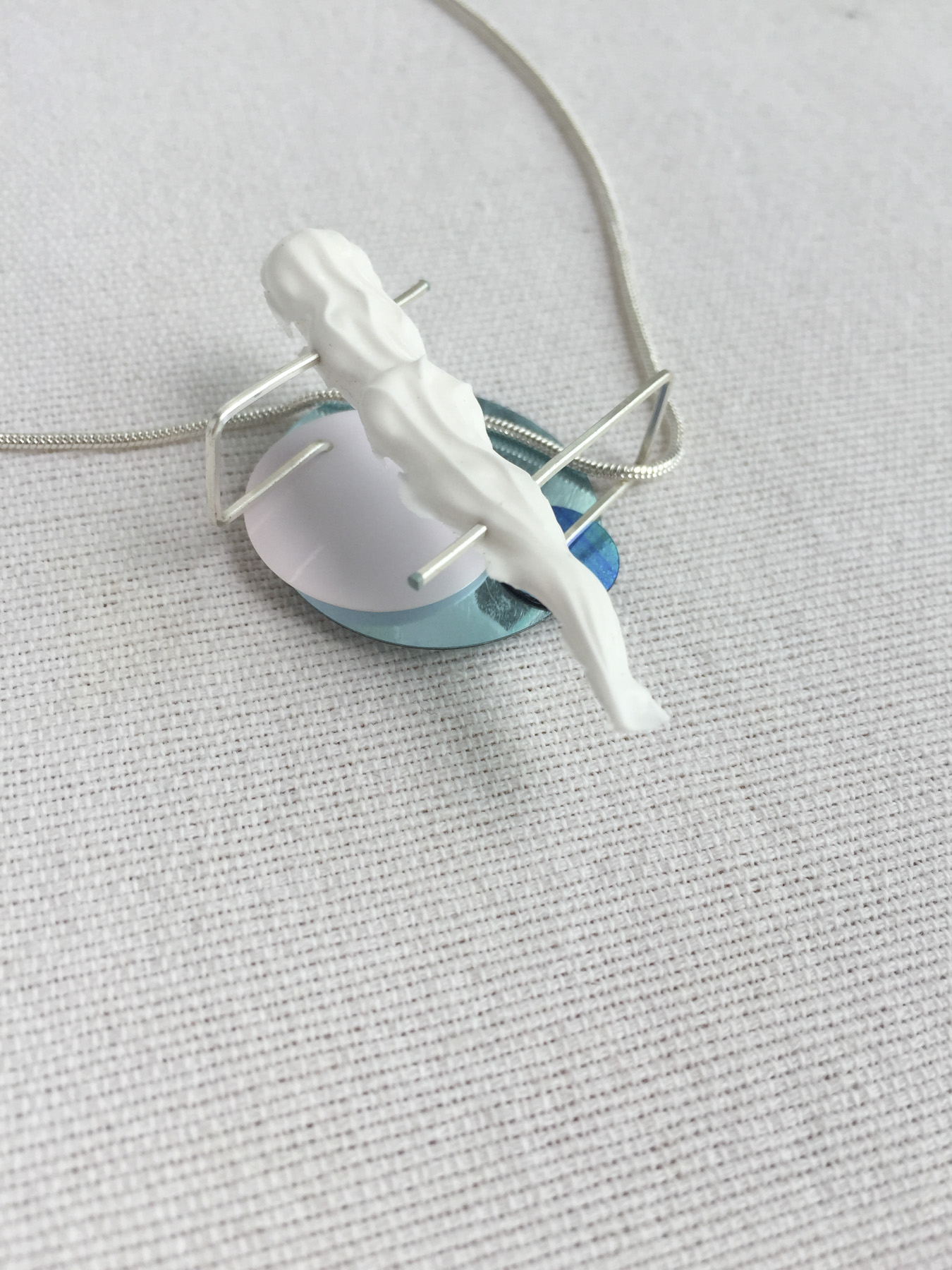
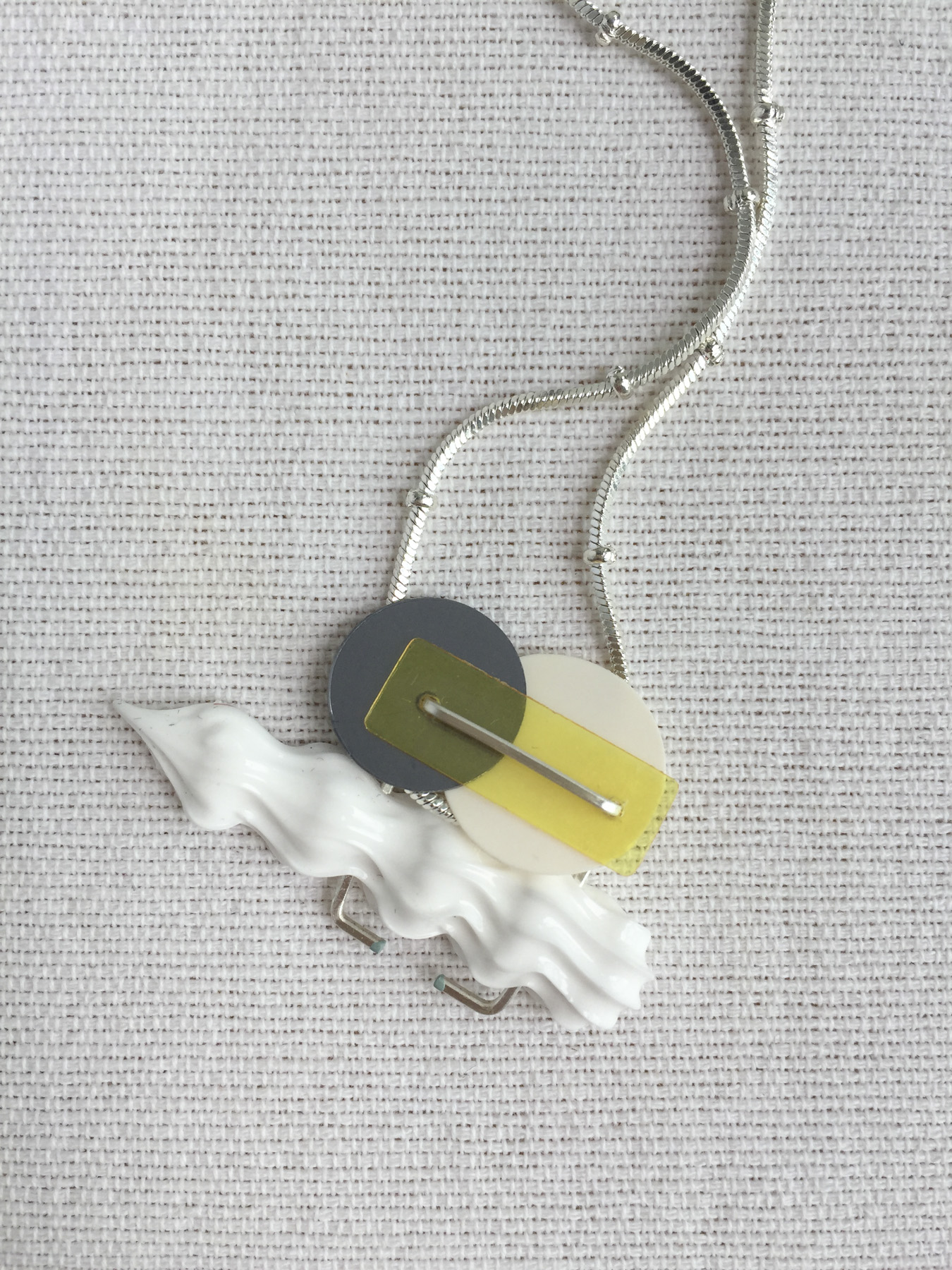
For now, to give you an idea of what we’re working off, here are the samples we made.

A Material Collaboration with Emma Morris Silicone Samples

A few words from Emma:

My name is Emma Morris and I am a jewellery design student based in Glasgow. My love for making things started me along my path to becoming a jewellery designer. In my spare time, I like to bring my ideas to life to share with people. I inject colour and fun into my work, and am constantly coming up with new designs!

Shop Etsy

YOU MIGHT LIKE THIS: Gems, Research and Pinterest

As you might have known from 2 posts ago, Try Wonder recently fulfilled our first custom order! While it was a rollercoaster of a journey (which you can read more about here), I learnt a lot, and today, I’m sharing some of the things that caught my eye while doing research for the piece.

In school, we’re taught to do a lot of research, to look at what other people have done, are doing, and many, many other things. Everything adds to your visual dictionary, which believe it or not, is probably already a very large collection in your head. I used to think why can’t pieces just pop into my head and I just make it? Why do I need to prove that it came from my head by having reference images and an entire book of drawings? And omg, did that annoy the shit out of me.

But now, I’ve come to see the benefits of having something so rigid within such an open and creative process. It’s helped me push my designs further, to encourage my brain to think in different ways. And the best part, if anyone says I didn’t come up with something, I can say I did, and have pictures to prove it. I mean, of course nothing is really truly original because everything has probably been done, but you get what I’m going at, right?

Now, I make it a point to at least do a little bit of Pinterest scrolling (follow my massive number of boards!), or Google-ing before jumping into any drawings. And while the custom piece was nothing super duper fancy, I still have some cool stuff I found that might interest you!
 

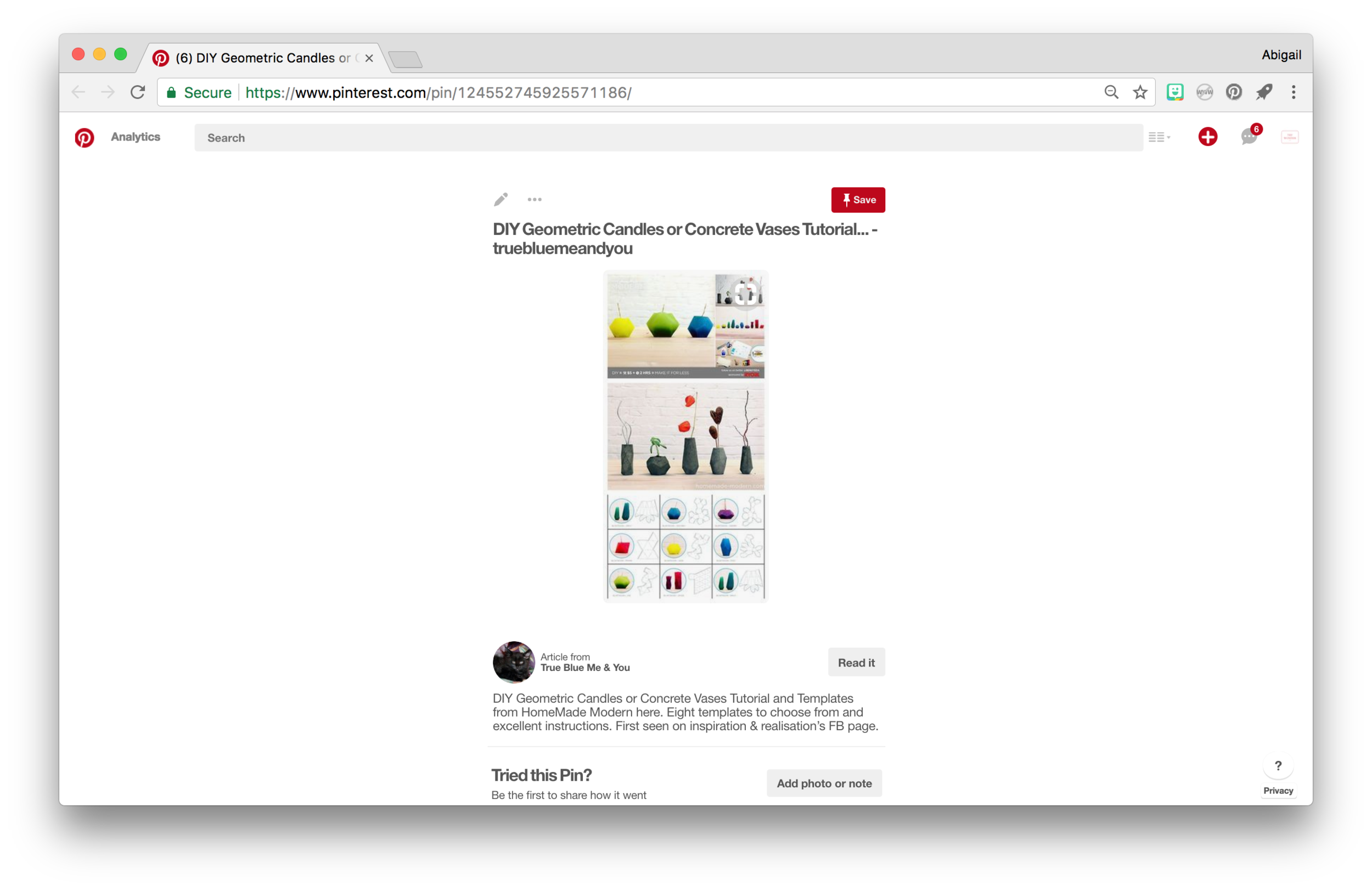
Fold your own geometric shapes

There are a variety of shapes you can make so just look for one you like, download and print, and you're good to start folding!

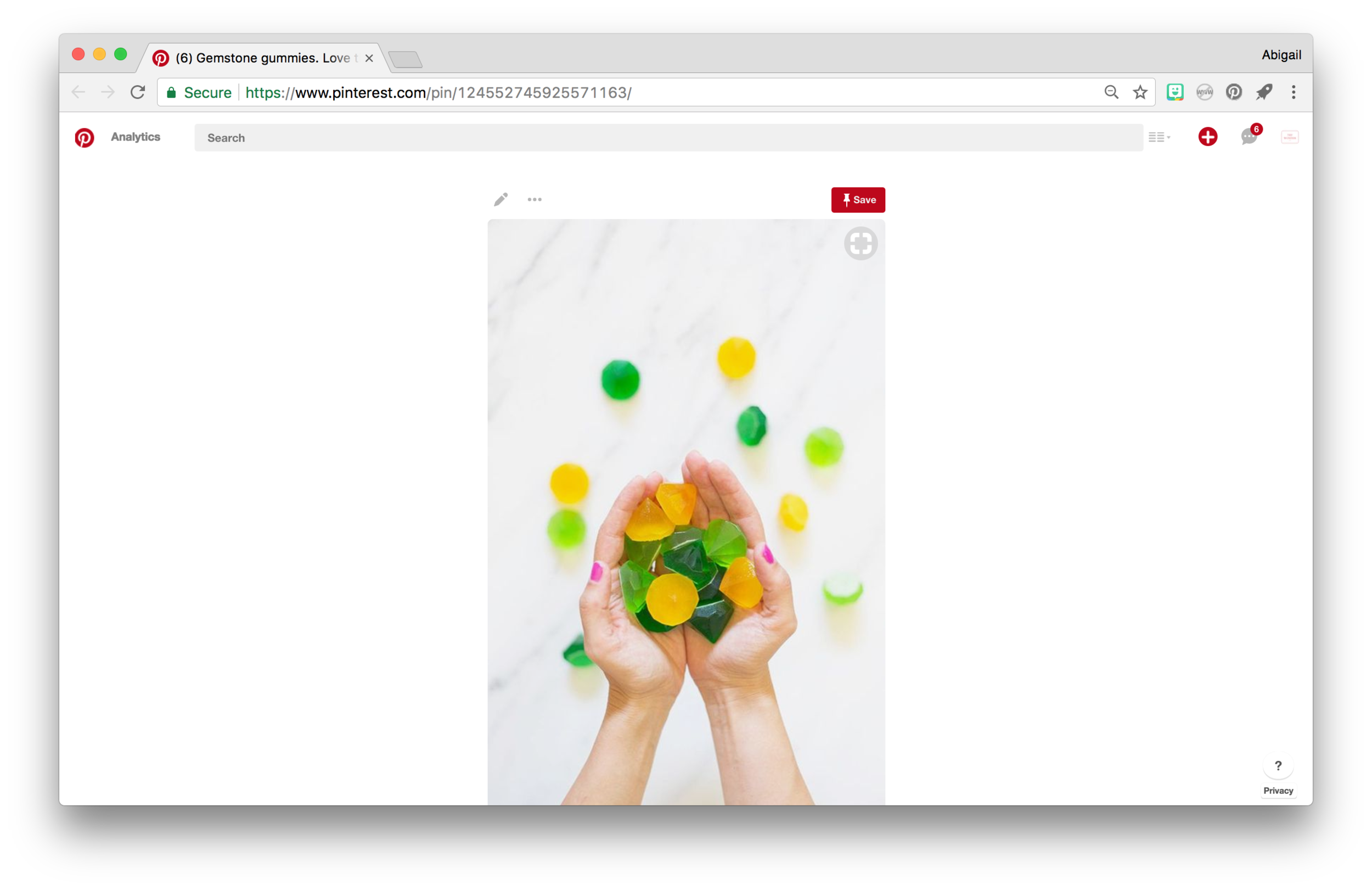
Gem gummy recipe

Make and then eat these gorgeous gems! Super great for a party or just to feel fancy ;)

Embroidered Gem Brooches

These gem brooches are hand embroidered by Wildflower Co. Aren't they just such beauties?

For more cool pins, ideas, and inspiration, check out my Pinterest boards. I personally think it's a pretty awesome account, and I'm super proud of it, but I guess that's subjective!